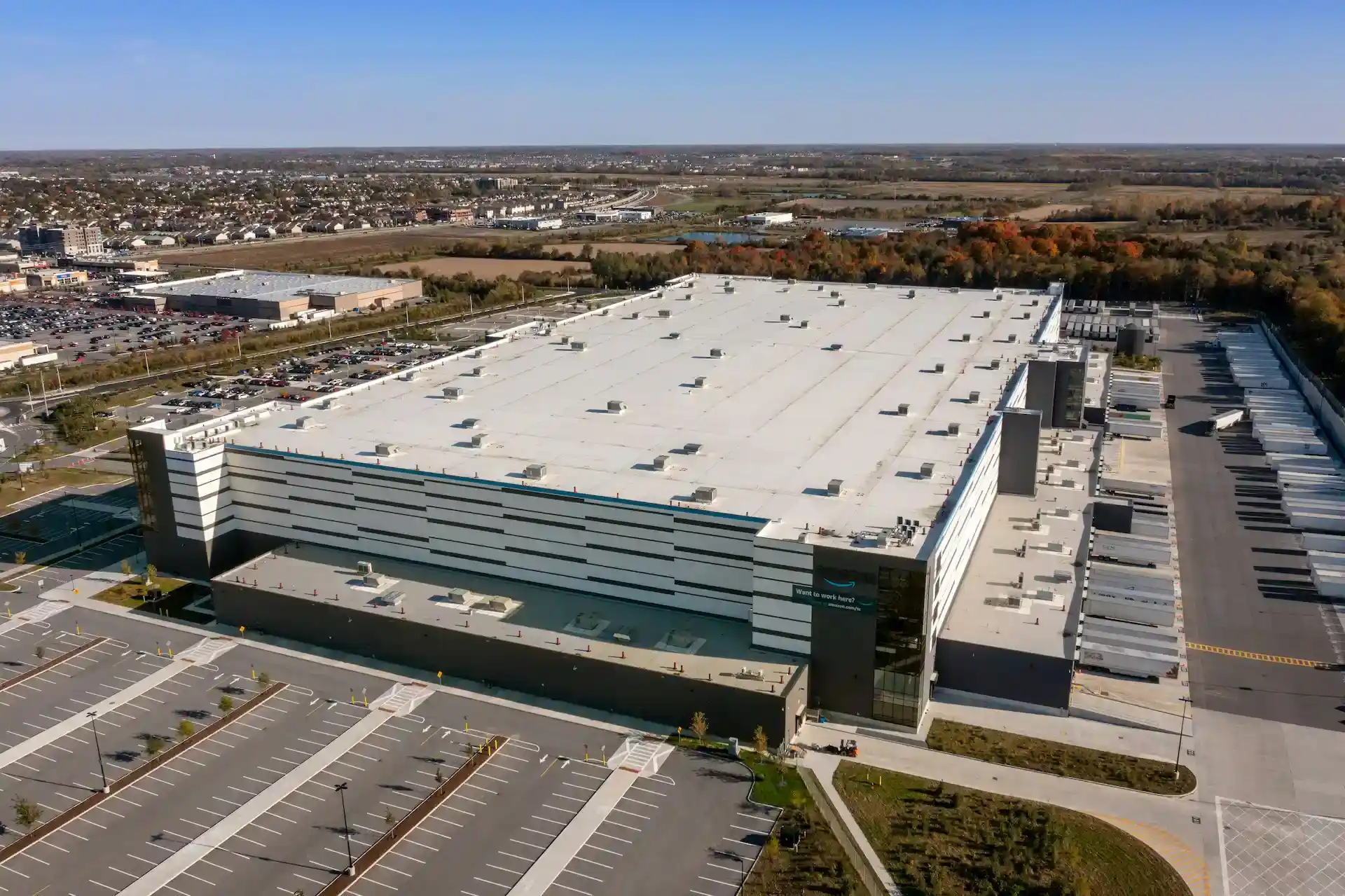
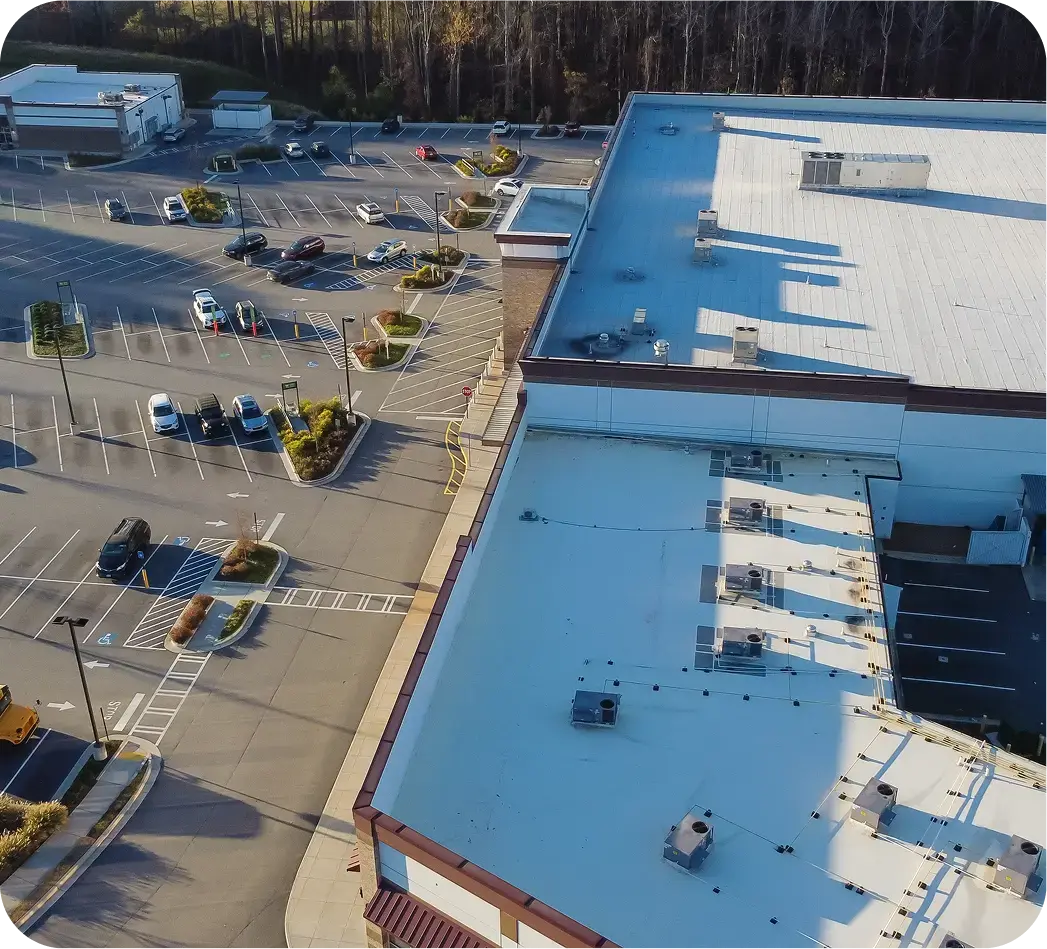
Introduction to Commercial Flat Roof Repair
Commercial flat roof repair is a critical part of building upkeep in Colorado, where hailstorms, heavy snow, and high-altitude UV exposure can put extra stress on roofing materials. Addressing small leaks early prevents water infiltration, structural damage, and costly repairs later.
With proper maintenance, a commercial flat roof can last 20–30 years, but improper installation or neglect shortens that lifespan significantly. Knowing when to apply DIY fixes and when to call a roofing contractor is key to protecting your investment.
Understanding Commercial Flat Roofs
Unlike pitched roofs, commercial flat roofs are designed with a slight slope to encourage proper drainage. Their surfaces typically include:
-
A roof membrane such as EPDM, TPO, PVC, or modified bitumen
-
Insulation layers that regulate indoor temperatures and lower heating and cooling costs
-
Flashing around edges and penetrations to prevent water infiltration
In Colorado, freeze–thaw cycles and standing water from snowmelt are common culprits of roof damage. That’s why regular inspections help catch issues like ponding water, membrane damage, or flashing failures before they escalate.
Common Flat Roof Issues in Colorado
Flat roofs are durable, but they’re not immune to weather and age. Here are the problems most often seen:
-
Ponding water: Standing water from snowmelt or poor drainage can stress the roof membrane and lead to leaks.
-
Membrane damage: Cracks, punctures, or blisters caused by hail or debris can compromise waterproofing.
-
Damaged flashing: When flashing pulls loose, water seeps into seams and weak points.
-
UV degradation: Colorado’s intense sun can accelerate the aging of roofing layers.
-
Water leaks: Even small leaks, if not addressed promptly, lead to mold growth and structural issues.
Commercial Flat Roofs and Energy Efficiency
A well-maintained roof doesn’t just prevent leaks, it also improves energy efficiency. Reflective membranes like TPO or PVC reduce cooling costs during Colorado summers, while proper insulation helps control heating costs in the winter.
Improved energy efficiency benefits include:
Commercial Roofing Materials and Repair Methods
Colorado property owners have several flat roof options, each with unique repair techniques:
-
Modified bitumen: Affordable and durable, repaired with patches and roofing cement.
-
EPDM (rubber roofing): Flexible and long-lasting, often repaired with adhesive patches.
-
TPO/PVC: Heat-welded seams provide strong waterproofing; repairs require specialized equipment.
-
Spray foam roofs: Lightweight and energy efficient, but vulnerable to UV damage without protective coatings.
Choosing high-quality materials and proper installation methods reduces the need for frequent repairs and ensures a long-lasting roof.
Steps in the Commercial Flat Roof Repair Process
When roof damage occurs, a systematic repair process ensures success:
-
Roof inspections: Identify the damaged area, checking the roof’s condition and underlying layers.
-
Surface prep: Clear debris and standing water from the roof surface.
-
Temporary solution: Apply roofing cement or patching material to stop immediate water infiltration.
-
Permanent repair methods: Replace or re-seal damaged membrane sections with the same material for consistency.
-
Preventive maintenance: Schedule follow-up inspections to monitor repair frequency and prevent further damage.
DIY Repairs vs Professional Help
Some minor issues, like patching a small puncture, may be handled with DIY repairs. But be cautious:
-
Incorrect use of roofing cement or adhesives can cause further damage.
-
Working on a roof without proper training poses safety risks.
-
DIY solutions are often temporary and may not address the roof’s structure or insulation.
For complex issues or extensive damage, it’s best to hire a professional roofing company. Contractors in Colorado are familiar with severe weather challenges, roofing codes, and safety requirements.
Commercial Flat Roof Maintenance
Routine maintenance is the most cost-effective option for extending a roof’s life. Best practices include:
-
Preventive maintenance: Schedule inspections at least twice a year — ideally in spring and fall.
-
Cleaning: Remove debris, leaves, and snow buildup to protect the roof’s membrane.
-
Drainage checks: Ensure scuppers and drains remain clear to prevent ponding water.
-
Repair frequency: Address small leaks or damaged areas promptly to avoid costly repairs.
If you’re seeing signs of ponding water or minor leaks, now is the time to schedule an inspection. Our team can evaluate your flat roof before winter conditions make repairs more difficult.
A well-structured commercial flat roof maintenance plan allows property owners to budget for work, reducing surprises and keeping tenants safe and comfortable.
Signs That Your Roof Needs Repair
Don’t wait until damage becomes obvious. Look for early warning signs such as:
-
Water leaks or damp spots on ceilings
-
Blistering, cracks, or punctures in the membrane
-
Loose or damaged flashing around HVAC units or skylights
-
Evidence of standing water for more than 48 hours
Catching these problems early can prevent structural damage and extend your roof’s life.
When to Repair vs Replace
One of the hardest decisions for a property owner is whether to repair flat roof damage or invest in a flat roof replacement.
-
Repair is best when issues are localized (small leaks, flashing repair, minor membrane damage).
-
Replacement may be necessary if the roof shows extensive damage, water infiltration into insulation, or is near the end of its service life.
At High Impact Roofing, our inspection process evaluates structural integrity, drainage, insulation, and the existing roof to recommend the most cost-effective option.
Choosing the Right Repair Option
Every building has unique needs. Factors to consider include:
-
Budget and long-term goals
-
The age of the original roof
-
The severity of roof damage
-
Whether frequent repairs are becoming more common
A trusted roofing contractor can guide you toward simple repairs, targeted maintenance, or a new roof when the time is right.
How Much Does It Cost to Repair a Commercial Roof?
Costs vary widely depending on materials, labor, and damage extent. In Colorado:
-
Small repairs (patching punctures, sealing flashing): $500–$2,000
-
Moderate repairs (replacing sections of membrane, fixing drainage): $2,000–$7,000
-
Extensive repairs or partial replacement: $7,000–$20,000+
For larger commercial flat roofs over 10,000 sq. ft., repair costs are often quoted per square foot, typically ranging between $3–$10 per sq. ft., depending on material type and repair complexity.
Full replacements are a significant investment, but they provide peace of mind and a long-lasting roof.
Final Thoughts: Protecting Your Investment
Commercial flat roofs are designed to withstand decades of use, but Colorado’s weather makes proactive care essential.
-
Schedule regular inspections to monitor the roof’s condition.
-
Address small leaks and damaged areas immediately.
-
Partner with a local roofing company for preventive maintenance and repair methods tailored to your building.
A well-maintained flat roof offers a long-lasting roof system, improved energy efficiency, and reduced heating and cooling costs, ultimately saving you money while protecting your property.
Ready to Protect Your Commercial Flat Roof?
If you’ve noticed ponding water, leaks, or other signs of roof damage, don’t wait until small issues turn into costly repairs. High Impact Roofing specializes in commercial flat roof repair and maintenance across Denver, Colorado Springs, Boulder, and throughout the Front Range, helping property owners extend the life of their roofs and protect their investment.
Whether your building is in Englewood, Aurora, Fort Collins, or anywhere in between, our team provides expert inspections, reliable repairs, and preventive maintenance to extend the life of your roof and protect your investment.
Contact us today to schedule a free inspection and get a clear plan for your building.