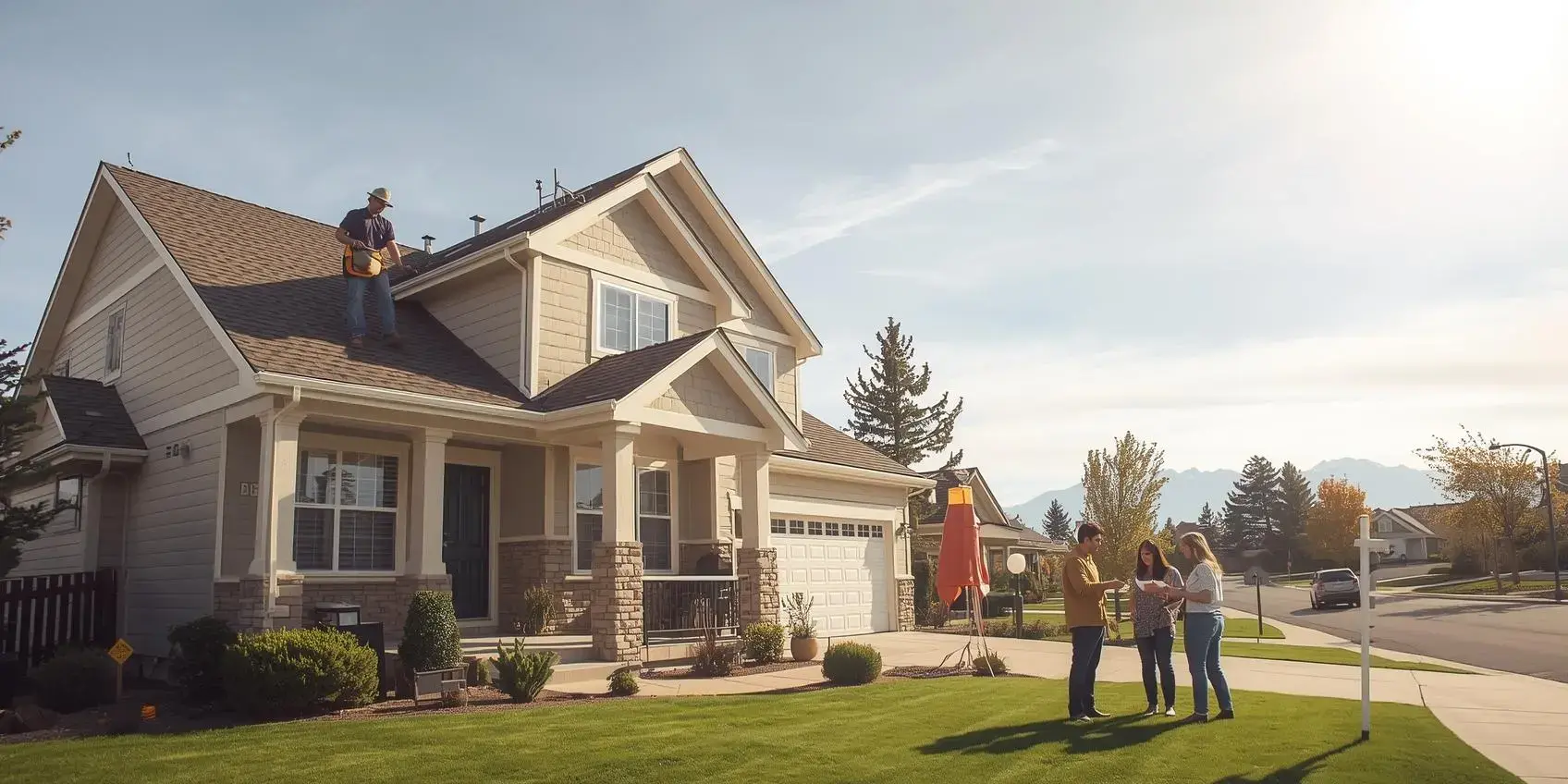
If you’re buying or selling a home, a roofing inspection is often one of the most important steps before closing. In Denver’s competitive real estate market, understanding the difference between a roofing inspection and a roofing certification can help you avoid delays, unexpected repair costs, or insurance issues. Imagine getting to the end of your inspection period and realizing the roof is now the thing holding up your closing timeline.
At High Impact Roofing, we regularly work with Denver homeowners, buyers, sellers, and real estate agents to evaluate roofs during transactions. Below, we’ll break down what each service includes, when it’s needed, and how it affects your closing timeline.
What Is a Roofing Inspection When Buying or Selling a Home?
A roofing inspection is a detailed evaluation of a roof’s current condition. During a real estate transaction, the roofing inspection helps buyers and sellers understand whether the roof has damage, active leaks, or signs of wear that may require repair or replacement.
In most Denver transactions, the buyer orders the roof inspection during the inspection period as part of their overall home inspection process. However, many sellers now choose to schedule a pre-listing roof inspection to avoid surprises and strengthen their negotiating position.
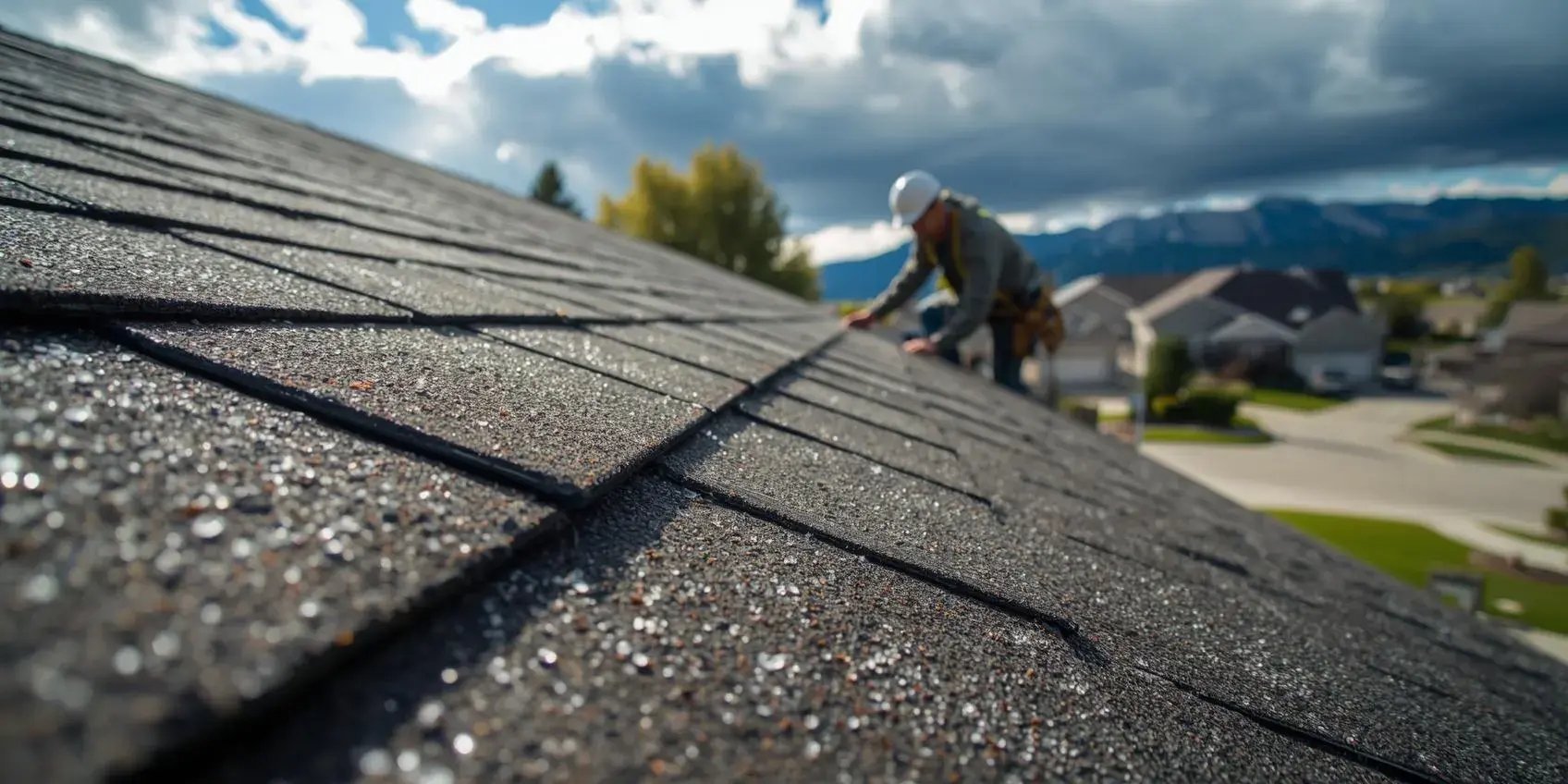
During the inspection, a roofing professional evaluates shingles or roofing materials, flashing around chimneys and vents, gutter systems, and visible signs of storm damage. The inspection also checks for roof leaks, moisture intrusion, or improper drainage that could shorten the roof’s lifespan. Findings are documented with photos so you can instantly see the roof’s condition instead of guessing through roofing jargon.
The findings often influence negotiations. If issues are discovered, buyers may request repairs, ask for credits, or renegotiate pricing. In some cases, insurance carriers or lenders may also review the condition report before approving coverage or finalizing the loan.
An accurate, professional evaluation matters because Denver wind and hail damage can be easy to miss from the ground — and small issues can turn into negotiation leverage fast.
If you’re currently under contract or preparing to list your home, schedule a real estate roof inspection now — it’s easy, and you’ll have clear answers before your inspection deadline expires.
What Is a Roofing Certification for Real Estate Transactions?
A roofing certification serves a different purpose. While an inspection identifies issues, a roofing certification confirms that the roof is currently in satisfactory condition and expected to remain leak-free for a specified period, typically between two and five years, depending on condition and age.
Roof certifications are often requested by lenders or insurance providers, because they want documentation that the roof is currently functional and not likely to create immediate risk. Sellers may also provide one proactively to reassure buyers and reduce uncertainty during negotiations.
It’s important to clarify that a roofing certification is not a warranty or insurance policy. It does not cover future storm damage or unforeseen events. Instead, it documents that at the time of evaluation, the roof meets certain functional standards.
In Denver, certifications are especially common when homes have older but serviceable roofs. If minor repairs are needed before certification can be issued, those repairs must be completed first.
Need a roof certification for your lender or buyer? Our team makes the process easy: inspect, handle qualifying repairs if needed, and issue certification documentation fast.
Roofing Certification vs. Roof Inspection: Key Differences for Denver Home Sales
Although they’re related, inspections and certifications serve different roles in a transaction.
-
A roof inspection is diagnostic as it identifies the roof’s current condition and any issues present.
-
A roofing certification is confirmatory as it verifies that the roof meets a minimum functional standard for a defined time period.
Inspections primarily protect buyers by uncovering potential risks. Certifications often support sellers by providing reassurance to buyers, lenders, and insurers.
Not sure which service your transaction requires? Tell us whether you’re buying, selling, or already under contract, and we’ll guide you toward the right next step.
Common Issues Found During a Roof Inspection in Denver
Denver’s climate creates unique challenges for roofing systems. Between hailstorms, high winds, snow loads, and intense sun exposure, roofs in this area experience significant wear.
Hail, Wind, and Storm Damage That Can Delay Closings or Impact Insurance
Wind and hail damage are common in Denver. Even if shingles look fine from the ground, granule loss, bruising, or lifted shingles may be present.
Storm-related damage can:
- Trigger insurance concerns
- Require repairs before policy approval
- Delay closing if not addressed
Signs of Mold or Moisture That May Require a Denver Mold Inspection
Roof leaks can lead to moisture buildup in the attic or insulation. Over time, this may result in mold growth.
In some cases, a separate Denver mold inspection is recommended if:
- There are visible stains or odors
- The attic shows signs of condensation
- Previous leaks were not properly repaired
Mold findings can complicate a sale, especially if remediation is required before closing.
Gutter and Drainage Problems Impacting Roof Performance
Proper drainage protects the lifespan of your roof. Clogged or damaged gutters can cause:
- Water backup under shingles
- Ice dam formation in winter
- Fascia and soffit damage
Inspectors often flag drainage issues because they directly affect roof performance and long-term durability.
Aging or Worn Roofing Materials Near the End of Their Lifespan
Roof age is one of the most influential factors in a home sale.
In Denver, standard asphalt shingles typically last between 15 and 30 years, depending on material quality and storm exposure. Impact-resistant shingles can last longer — and they can be even more valuable in Denver because they’re designed to handle hail better than standard shingles.
Impact-resistant shingles can last longer, sometimes 25 to 40 years.
As roofs approach the end of their expected lifespan, buyers may request concessions even if no active leaks are present. Insurance providers may also increase premiums or require replacement within a certain timeframe.
Understanding where a roof stands in its lifecycle allows both buyers and sellers to make informed financial decisions before closing.
What Buyers Should Know About Roof Inspections Before Closing
Buyers in Denver have the right to conduct inspections during the due diligence period.
If issues are found, buyers can:
- Request repairs
- Ask for seller credits
- Renegotiate the purchase price
- Walk away (depending on contract terms)
Working with an experienced local roofing company ensures you get accurate information without unnecessary alarm, vague language, or missed damage that comes back later. If you're within your inspection period, schedule your roof inspection now so you have time to negotiate repairs or credits before your contingency deadline passes.
But what if you're the one selling?
Do You Need a Roof Certification to Sell Your Home in Denver?
A roof certification is not legally required in every Denver real estate transaction. However, it is frequently requested by buyers, insurance providers, or lenders — especially when the roof is older.
In competitive markets, many sellers choose to obtain certification proactively to reduce uncertainty and strengthen their negotiating position.
A roof certification can:
- Reduce buyer objections
- Prevent last-minute repair negotiations
- Speed up closing timelines
- Provide reassurance to lenders and insurance carriers
If you're listing your home soon and want to avoid unexpected roof-related delays, a pre-listing inspection and certification can provide clarity before your property hits the market.
Frequently Asked Questions
Roof Inspection and Roofing Certification Costs in Denver
Roof inspection and certification costs in Denver vary depending on roof size, pitch, accessibility, material type, and overall condition.
Most residential roof inspections range from $200 - $500. Roofing certifications may cost slightly more, especially if minor repairs are required before documentation can be issued.
Compared to potential price reductions, delayed closings, or insurance complications, these services are typically a small investment that supports smoother real estate transactions.
Schedule a Professional Roof Inspection in Denver
Buying, selling, or already under contract? The right roof documentation can protect your deal and prevent last-minute surprises.
High Impact Roofing provides:
- Real estate roof inspections for buyers
- Pre-listing roof inspections for sellers
- Roofing certifications for lenders and insurance providers
- Fast repair turnaround when certification qualifications are needed
Under contract and working against a deadline? Listing your home soon? Need certification documentation for closing? Schedule your roof inspection now.
Prefer to speak directly? Call 720-325-5129, and our team will walk you through the next step based on your timeline.