
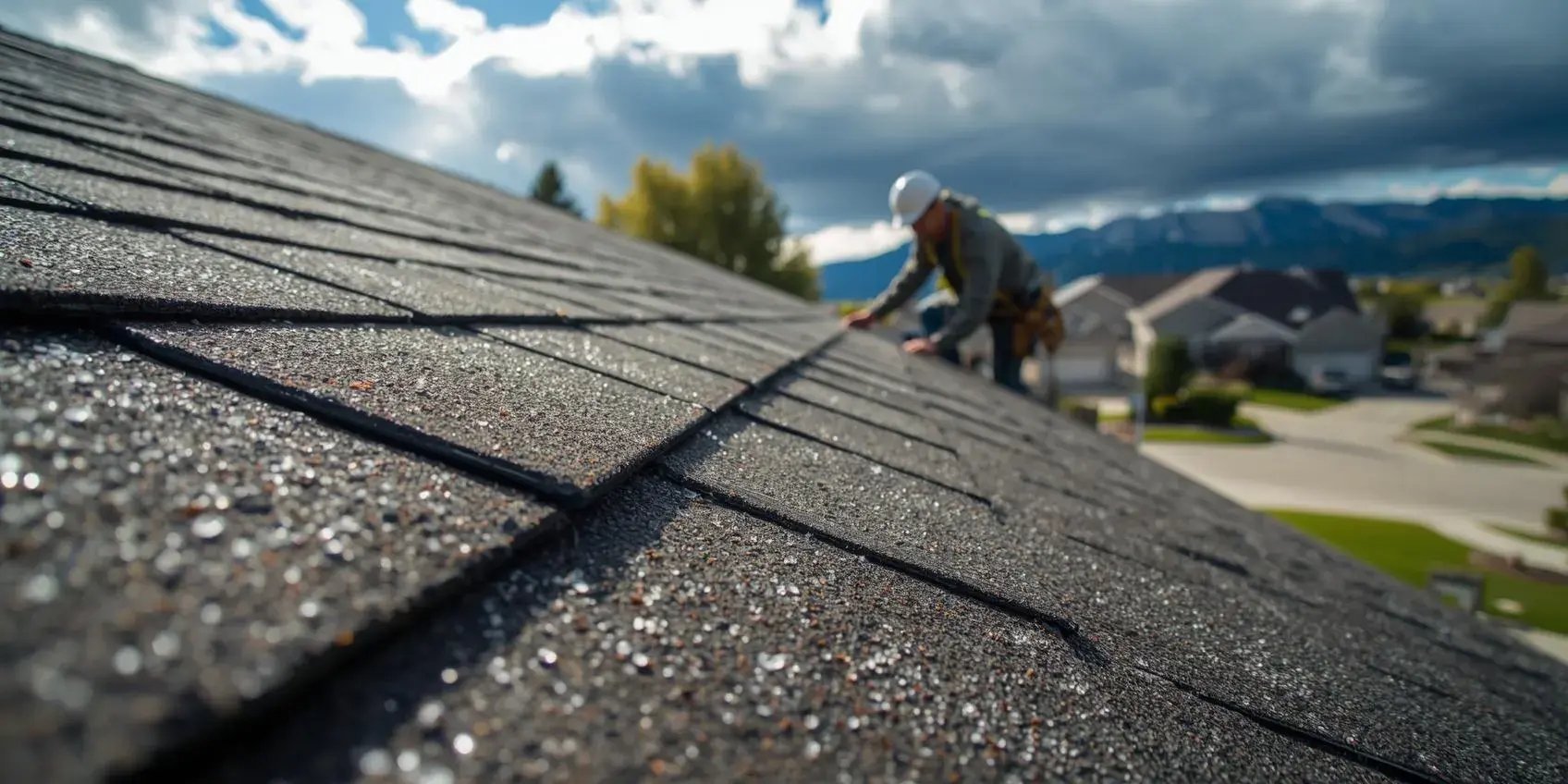
A roof is one of the biggest investments you’ll make in your Denver home, and roofing warranties exist to protect that investment.
Imagine replacing your roof only to discover years later that the shingles were defective. Without the right roof warranty, those repairs could come directly out of your pocket.
Because Denver’s climate includes hailstorms, heavy snow, strong winds, and dramatic temperature swings, roofing warranties are even more important for Colorado homeowners.
In this guide, we’ll explain:
- What roofing warranties actually cover
- How manufacturer and workmanship warranties work
- When you may need a roof inspection in Denver
- How to file a roofing warranty claim if problems occur.
What Are Roofing Warranties and Why Do They Matter?
Roofing warranties are designed to protect homeowners if certain problems arise with their roofing system. But not all warranties work the same way, and many homeowners aren’t fully sure what their roof warranty actually covers.
Understanding how roofing warranties work and why they matter can help you protect your home and avoid unexpected repair costs later.
The Purpose of a Roof Warranty
Picture this: your roof was installed just a few years ago, but you start noticing shingles curling and losing granules far earlier than expected.
The roof still looks relatively new, yet something clearly isn’t performing the way it should.
When situations like this happen, homeowners often start asking an important question: what is actually covered if something goes wrong with the roof? That’s where a roof warranty comes in.
A roof warranty is a form of protection that covers specific issues related to your roofing system. Depending on the type of warranty, it may cover:
- Manufacturing defects in roofing materials
- Installation errors by a contractor
- Performance issues with certain roofing components
In simple terms, roofing warranties help protect homeowners from paying out-of-pocket if something goes wrong due to faulty materials or improper installation.
Because replacing a roof can cost thousands of dollars, a solid warranty adds peace of mind and financial protection over the life of your roofing system.
Why Roofing Warranties Are Especially Important in Denver’s Climate
At High Impact Roofing, we’ve inspected hundreds of roofs across the Denver metro area after major hail events. Even roofs that appear undamaged from the ground can have hidden issues when inspected closely. Because roofing systems in Colorado face such intense weather cycles, warranty coverage becomes an important layer of protection for homeowners.
Denver’s weather puts roofs under constant stress. Homeowners regularly deal with:
- Large hailstorms
- Strong wind gusts
- Heavy snow accumulation
- Freeze–thaw cycles in winter
These conditions can accelerate wear and tear on roofing systems. While homeowners' insurance may cover storm damage like hail, warranties protect against other issues, such as material defects or installation errors.
For homes in Colorado’s Front Range, understanding your warranty coverage is just as important as choosing the right roofing materials.
Common Misconceptions About Roof Warranty Coverage
Many homeowners misunderstand how roofing warranties work. Some common myths include:
- “My warranty covers everything” - Most warranties only cover specific defects, not all types of damage.
- “A warranty replaces insurance.” - Insurance covers storm damage, while warranties cover materials or installation issues.
- “All roofing warranties are the same.” - Coverage terms vary widely between manufacturers and contractors.
- “Once installed, the warranty lasts forever.” - Some warranties require registration, inspections, or maintenance to stay valid.
Knowing these differences can help you avoid accidentally voiding your coverage.
Types of Roof Warranties Homeowners Should Understand
Not all roofing warranties provide the same type of protection. Depending on the materials used and the contractor installing your roof, your coverage may come from multiple sources.
Understanding the different types of roof warranties can help you know what is covered, who is responsible if an issue occurs, and how to protect your investment over time.
Manufacturer Roofing Warranties
A manufacturer's roofing warranty protects against defects in the roofing materials themselves.
This type of warranty typically covers problems such as:
- Shingles failing prematurely
- Manufacturing defects in materials
- Product performance issues
Coverage length varies depending on the manufacturer and the specific roofing product. Some warranties extend 20–50 years, while others are lifetime limited warranties.
Many manufacturers also require proper installation and product registration for the warranty to remain valid.
Workmanship (Contractor) Roof Warranties
A workmanship warranty is provided by the roofing contractor who installs your roof.
This warranty covers problems caused by installation errors, such as:
- Improper flashing installation
- Poor ventilation setup
- Incorrect shingle placement
- Fastener or underlayment issues
Unlike manufacturer warranties, workmanship warranties vary significantly between contractors. Some may offer only a few years of coverage, while reputable roofing companies may provide much longer protection.
Choosing a qualified contractor is critical because installation quality directly affects the performance of your roof.
Extended and System Warranties
Some roofing systems qualify for extended or enhanced warranty coverage when installed by certified contractors.
These warranties may include:
- Coverage for both materials and installation
- Longer protection periods
- Additional system component coverage
These enhanced warranties often require specific roofing systems and approved installers.
The Malarkey Warranty: What It Covers and How It Works
A Malarkey roofing warranty specifically protects against manufacturing defects in Malarkey roofing shingles and materials.
Like most manufacturer warranties, Malarkey coverage focuses on defects in the roofing materials themselves, not damage caused by outside forces such as hail, wind, or storms.
When a defect is suspected, the process usually begins with a professional inspection.
The warranty claim process typically follows these steps:
- Roof Inspection: A professional inspection evaluates the roof to identify potential manufacturing defects.
- Review of Findings: The contractor reviews inspection findings and determines whether filing a warranty claim appears justified.
- Decision to Proceed: If the evidence supports a claim, the homeowner can authorize the contractor to begin the warranty process.
- Warranty Claim Submission: Documentation, photos, and inspection details are submitted to Malarkey for review.
- Manufacturer Determination: Malarkey evaluates the claim and determines whether the issue qualifies for warranty coverage.
- Roof Replacement Scheduling: If the claim is approved, the roof replacement process can move forward.
If the inspection suggests a possible manufacturing defect, High Impact Roofing reviews the findings with the homeowner before moving forward. If the homeowner decides to proceed, we prepare the estimate, collect the required authorization, and submit the supporting documentation to Malarkey.
If the claim is approved, the replacement can be scheduled. If the claim is denied, the homeowner is not obligated to move forward with the project.
In many cases, manufacturers issue payment directly to the homeowner based on their claim determination, though coverage amounts vary by case.
If you think your roof may have a manufacturing defect, contact our team to schedule an inspection and talk through your options.
What Does a Roofing Warranty Typically Cover?
Most roofing warranties cover problems caused by defects in roofing materials or installation.
Common covered issues may include:
- Premature shingle deterioration
- Manufacturer defects in materials
- Certain roofing system failures
- Installation mistakes (under workmanship warranties)
However, coverage details vary widely between warranties.
What Roofing Warranties Do NOT Cover
Roof warranties generally do not cover damage caused by:
- Hail or storm impacts
- Falling tree branches or debris
- Improper roof modifications
- Poor maintenance or neglect
- Normal aging of materials
Storm-related damage typically falls under homeowners' insurance instead of warranty coverage.
How Roof Certification and Inspections Affect Your Warranty
Roof warranties don’t exist in isolation. Inspections, certifications, and ongoing maintenance all play an important role in protecting your coverage and documenting the condition of your roof.
Understanding how these evaluations work can help homeowners maintain their warranty and address potential issues before they become costly problems.
What Is a Roof Certification?
A roof certification is a professional evaluation confirming the condition and expected lifespan of your roof.
In the Denver area, certifications are often used during:
- Real estate transactions
- Insurance reviews
- Warranty verification
A roof certification provides documented proof that your roofing system is in good condition.
The Role of a Roof Inspection in Denver for Warranty Protection
Regular roof inspections are one of the best ways to protect your warranty.
Professional inspections help:
- Identify potential issues early
- Document the roof’s condition
- Verify that materials are performing properly
- Provide records that may support warranty claims
For Denver homeowners, annual inspections are especially important after severe weather seasons.
How Regular Maintenance Protects Your Roof Warranty
Routine maintenance helps prevent minor problems from turning into costly damage.
Important maintenance tasks include:
- Cleaning gutters and removing debris
- Inspecting flashing and roof penetrations
- Addressing minor repairs quickly
- Keeping inspection records
Documenting maintenance can also help support future warranty claims if defects are discovered later.
How to Avoid Voiding Your Roof Warranty
A roof warranty provides valuable protection, but certain situations can limit or void that coverage. Understanding what can affect your warranty, from installation issues to maintenance and repairs, can help homeowners avoid unexpected problems later.
Knowing the warning signs of potential defects and taking the right steps when issues appear can help ensure your warranty remains valid.
Signs Your Roof Might Have a Defect
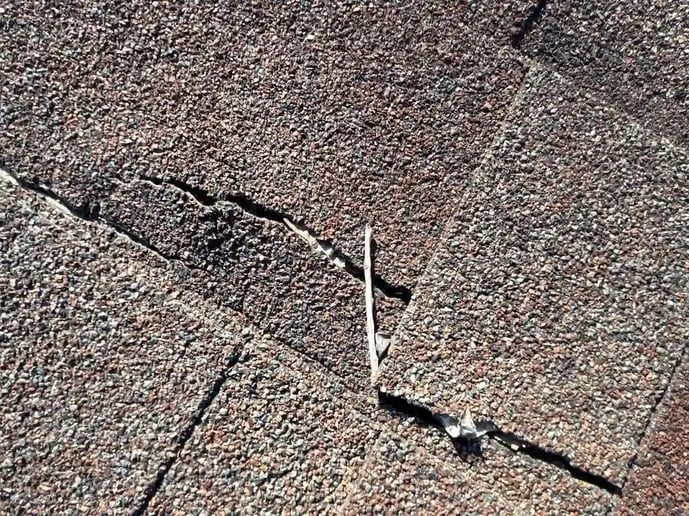
Some warning signs that your roof may have a defect include:
- Curling or cracking shingles
- Granule loss on shingles
- Uneven shingle appearance
- Leaks or water intrusion
- Premature aging of roofing materials
If you notice these issues, scheduling a professional roof inspection in Denver is the best next step. If you’re seeing warning signs and want a professional opinion, schedule an inspection with our team.
Improper Installation
Improper installation is one of the most common reasons warranties become void.
Examples include:
- Incorrect ventilation
- Poor flashing installation
- Using non-certified installers
- Cutting corners during installation
Lack of Maintenance or Documentation
Ignoring roof maintenance can invalidate some warranty coverage.
Examples include:
- Skipping inspections
- Ignoring visible damage
- Failing to document maintenance or repairs
Storm Damage and Insurance Claims
Storm damage, including hail or wind events, typically falls under homeowners' insurance rather than roofing warranties.
After severe weather, documenting damage and filing claims promptly can help protect your coverage.
Unauthorized Repairs or Modifications
DIY roof repairs or hiring unapproved contractors can void certain warranties.
Unauthorized modifications may include:
- Installing solar panels incorrectly
- Mounting satellite dishes improperly
- Performing repairs without manufacturer approval
How to File a Roof Warranty Claim
If you suspect a roofing defect, the warranty claim process typically includes:
- Scheduling a professional roof inspection
- Documenting potential defects with photos and notes
- Reviewing the findings with your contractor
- Submitting the warranty claim to the manufacturer
- Waiting for the manufacturer’s determination
- Proceeding with repairs or replacement if approved
Working with an experienced roofing contractor can simplify this process and ensure documentation is submitted correctly.
How to Choose a Denver Roofing Contractor That Stands Behind Their Warranty
Not all roofing warranties offer the same level of protection, and the contractor installing your roof plays a major role in how that warranty holds up over time. Choosing an experienced, reputable roofing contractor can help ensure your roof is installed properly and that you have support if warranty questions arise later.
Before hiring a contractor, it’s worth asking a few important questions about warranty coverage, certifications, and the support they provide if a claim is needed.
Questions to Ask About Roofing Warranties
When hiring a roofing contractor, ask:
- What warranties do you offer on installation?
- Are you certified by the manufacturer?
- What happens if a warranty claim is needed?
- Do you assist homeowners during the claim process?
Clear answers help ensure you receive reliable coverage.
Why Manufacturer-Certified Contractors Matter
Certified contractors must meet installation and training standards set by manufacturers.
Benefits include:
- Higher installation quality
- Access to extended warranties
- Better support during warranty claims
What Sets High Impact Roofing Apart
At High Impact Roofing, we understand that a warranty is only as strong as the roof behind it. That’s why we focus on proper installation, manufacturer-aligned roofing systems, and clear documentation from the start.
For Denver homeowners, that matters. Roofs across the Front Range face hail, wind, snow loads, and constant freeze-thaw cycles. Even small installation issues can shorten a roof’s lifespan or create complications during a warranty claim later.
Our team helps homeowners understand their warranty coverage, identify potential issues early, and navigate the next steps if a defect is suspected. Whether you need an inspection, documentation for a claim, or guidance on what your warranty actually covers, we’re here to help you make informed decisions about your roof.
If you’d like help reviewing your roof’s condition or understanding your warranty coverage, schedule a free roof inspection with our team or contact us to talk through your options.
FAQs About Roofing Warranties in Colorado
Protect Your Investment with the Right Roofing Warranty
Your roof protects everything beneath it and the right warranty protects the roof itself.
Imagine knowing that your roofing system is covered even if a defect appears years later.
If you’re unsure about your current coverage or when you should schedule an inspection, our team can help.
Whether you need:
- a roof inspection in Denver
- a roof certification
- help understanding your roof warranty
High Impact Roofing can walk you through the options and make sure your home is protected.
Ready to protect your roof investment? Schedule a roof inspection or contact our team to talk through your options.
How Denver Roofers Simplify Roof Certification for Real Estate Agents
High Impact Team
Roofing Inspection vs. Certification in Denver: Buyers & Sellers Guide
High Impact Team