
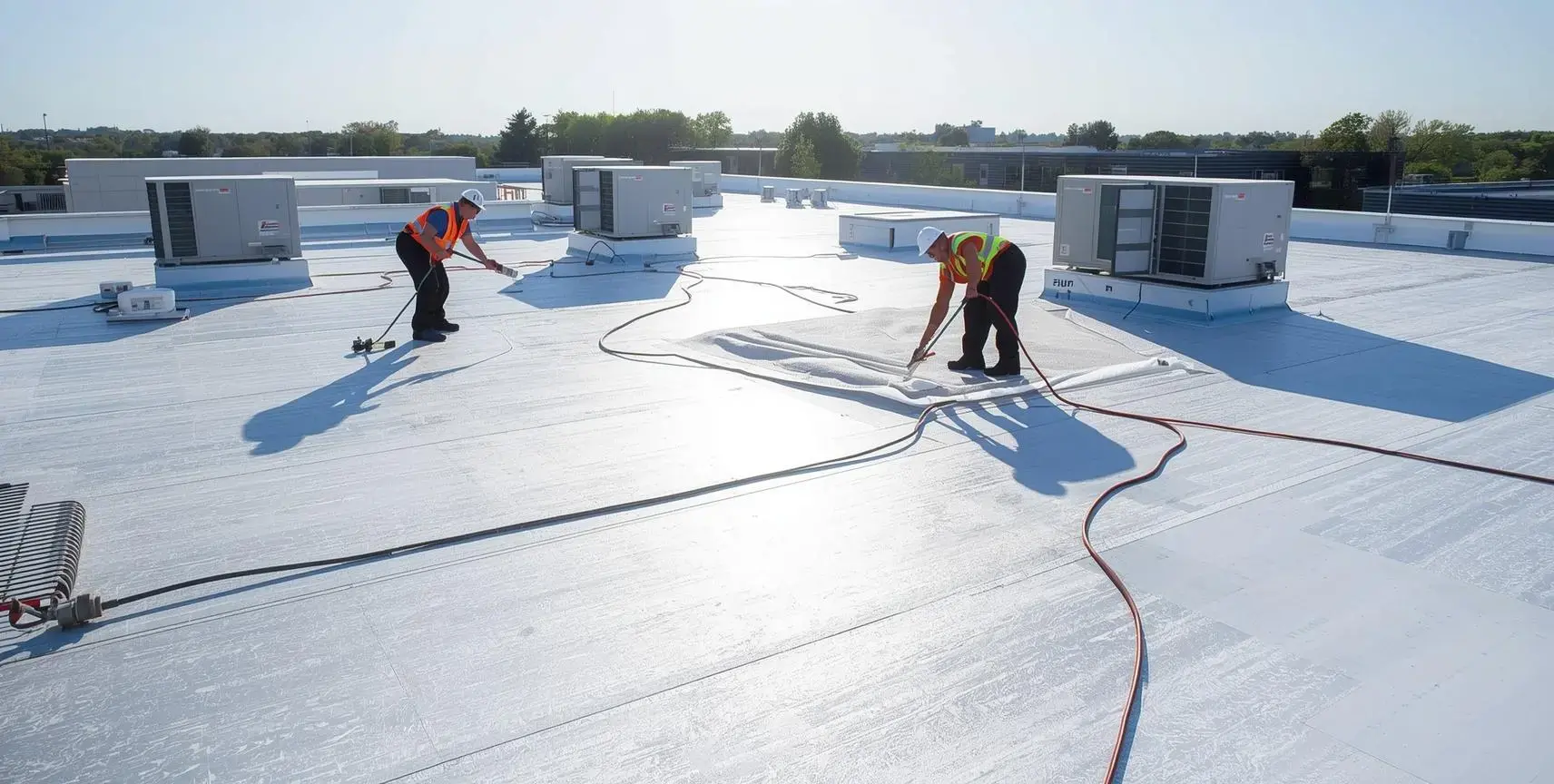
If you’re researching Denver flat roofing, you’re likely trying to understand costs, material options, and whether repair or replacement makes the most sense. Flat roofs are common across both residential and commercial properties in Denver but performance, lifespan, and pricing can vary significantly depending on the system, building type, and current roof condition.
Unlike sloped roofs, flat roofing systems are more sensitive to drainage, sun exposure, and weather patterns. And in a climate like Denver, where intense UV, snow, and hail are all factors, those variables matter even more.
In Denver, flat roofs don’t typically fail because of age alone. They fail because of a combination of sun exposure, drainage issues, and weather stress over time.
This guide breaks down what to expect from Denver flat roofing projects, including materials, costs, warning signs, and how to choose the right contractor.
What Is Denver Flat Roofing?
Flat roofing refers to roofing systems with a very low slope, designed to move water toward drainage points rather than quickly shedding it like a traditional pitched roof. While they appear flat from the ground, these systems are carefully engineered to manage water flow across the surface.
In Denver, flat roofs are most commonly found on commercial buildings, multi-family properties, and certain residential designs like modern homes, garages, and additions. The reason is simple: flat roofing is often more efficient for larger structures and offers practical advantages that sloped systems don’t.
For property owners, that means easier access for maintenance, space for equipment like HVAC systems, and in some cases, usable rooftop areas. But those benefits come with trade-offs, especially in a climate like Denver’s, where sun exposure, snow, and hail all play a role in how a flat roof performs over time.
How Flat Roofing Differs From Sloped Roofing
The biggest difference between flat and sloped roofing isn’t just appearance; it’s how water is handled.
Sloped roofs are designed to shed water quickly. Gravity does most of the work, pushing rain and snow off the surface before it has time to sit. Flat roofs, on the other hand, rely on a combination of slight pitch and built-in drainage systems like internal drains or scuppers to move water off the roof.
That difference matters more than most people realize.
When drainage is working properly, a flat roof performs well. But when it’s not, water doesn’t move off the surface as intended. Over time, that standing water becomes one of the leading causes of membrane breakdown, leaks, and premature roof failure.
Maintenance reflects that reality. Flat roofs require a more proactive approach: regular inspections, attention to seams and flashing, and making sure drainage systems stay clear and functional. It’s not necessarily more work, but it does require more awareness compared to a typical sloped roof.
Where Flat Roofing Works Best in Denver
Flat roofing tends to make the most sense where scale, access, and function are priorities.
You’ll see it most often on commercial buildings and multi-family properties, where large roof spans would make sloped construction more expensive and less practical. It’s also common in modern residential design, where clean lines and usable space are part of the appeal.
In Denver specifically, flat roofs are often chosen because they allow for better use of the structure, whether that’s housing mechanical systems, simplifying construction, or maximizing square footage.
At the same time, local conditions play a big role in how successful a flat roof will be. Snow accumulation, rapid temperature changes, and intense sun exposure all put pressure on these systems. That’s why proper design, material selection, and drainage planning aren’t optional here, they’re what determine whether a flat roof performs well long-term or becomes a recurring problem.
Types of Flat Roofing Materials
Not all flat roofs are built the same. The material you choose directly affects how your roof performs in Denver’s climate, especially when it comes to UV exposure, temperature swings, hail resistance, and how well it handles standing water.
Below is a simplified comparison of the most common flat roofing systems used in Denver:
| Material | Best For | Pros | Trade-Offs | Relative Cost |
|---|---|---|---|---|
| TPO (Thermoplastic Polyolefin) |
Commercial buildings | Energy-efficient, reflective, widely used, cost-effective | Lower-quality systems can degrade faster under intense UV exposure; performance depends heavily on installation quality | $700-1,400 per sq ($7-14 per sq ft) |
| EPDM (Rubber Roofing) |
Residential + light commercial | Flexible, highly durable, performs well in temperature swings, proven long lifespan | Less energy-efficient due to dark surface; absorbs heat rather than reflecting it | $400-1,300 per sq ($4-13 per sq ft) |
| Modified Bitumen | Residential + small commercial | Strong waterproofing, good puncture resistance, performs well under foot traffic and hail exposure | Heavier system; more labor-intensive installation | $500-1,000 per sq ($5-10 per sq ft) |
| PVC Roofing | Commercial + high-performance needs | Highly durable, excellent seam strength, resistant to chemicals and standing water | Higher upfront cost | $800-1,600 per sq ($8-16 per sq ft) |
Each system has its place, but the “best” option depends on your building, your budget, and how the roof will be used.
In Denver specifically, there are two factors that matter more than most:
- UV exposure: The elevation and sun intensity can accelerate material breakdown, especially with lower-grade TPO systems.
- Water management: Flat roofs don’t fail because they’re flat; they fail when water sits too long. The material you choose needs to handle that reality.
That’s why material selection isn’t just about upfront cost. It’s about how well that system will hold up 5, 10, or 20 years down the line.
Not sure if this is a repair or something more extensive? A walkthrough with our team can help you assess the condition of your roof and make a clear, informed decision on next steps.
How Much Does Flat Roofing Cost in Denver?
Flat roofing costs in Denver can vary significantly, and that’s not just contractor-speak; it’s the reality of how many variables impact these systems.
At a high level, most projects fall into two buckets:
- Repairs typically range from a few hundred to several thousand dollars
- Full replacements can range from several thousand to tens of thousands or more
But those ranges only tell part of the story. The real question isn’t “What does a flat roof cost?”, it’s “What will this specific roof require to perform long-term in Denver’s conditions?”
That’s where cost differences start to make sense.
Cost Factors That Affect Flat Roof Pricing
The biggest drivers of cost aren’t just size, they’re condition and complexity.
For example, two roofs with the same square footage can have completely different price points depending on what’s happening beneath the surface.
A few of the most important factors:
- Roof condition: If moisture is already trapped in the system, or if there’s underlying damage, the scope increases quickly. What looks like a simple replacement can turn into a deeper rebuild.
- Drainage performance: Poor drainage is one of the most common issues we see in Denver. If water has been consistently collecting on the roof, it often leads to additional repairs or design adjustments to prevent repeat problems.
- Material selection: Lower-cost materials may reduce upfront investment, but in Denver’s high UV environment, they can break down faster, leading to higher costs over time.
- Tear-off and insulation: Removing existing layers, upgrading insulation, or bringing the system up to current code all add to the total investment, but they’re often necessary for long-term performance.
For example, a roof with trapped moisture and poor drainage may require full tear-off and insulation replacement, while a similar-sized roof in good condition may only need a membrane replacement.
Flat Roof Repair vs. Flat Roof Replacement Denver Costs
One of the most common questions is whether to repair or fully replace a flat roof.
Repairs are appealing because they’re less expensive upfront. And in the right situation, they’re the correct choice, especially when the issue is isolated, and the overall system is still in good condition.
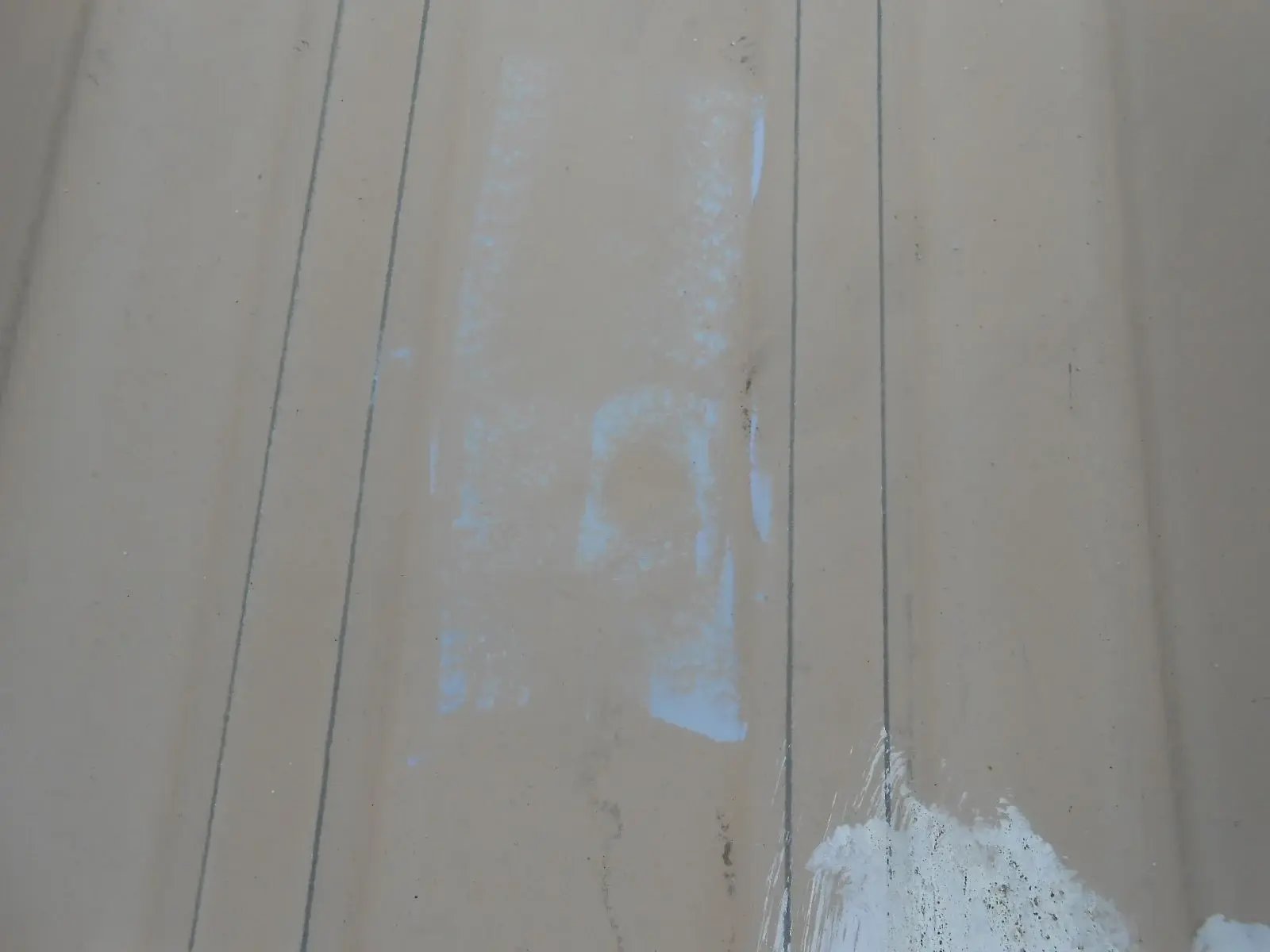
.webp?width=689&height=517&name=img_2231%20(1).webp) But flat roofs rarely fail in just one spot.
But flat roofs rarely fail in just one spot.
If you’re seeing repeated leaks, widespread membrane wear, or signs of water sitting over time, repairs can quickly turn into a cycle of fixing symptoms without solving the underlying problem.
That’s where replacement becomes the smarter investment.
A properly installed new system addresses:
- Drainage issues
- Hidden moisture
- Aging materials
And most importantly, it resets the lifespan of the roof.
In Denver, where sun exposure and weather accelerate wear, that long-term perspective matters more than the initial price difference.
Not sure if this is a repair or something bigger? A free inspection will help you understand exactly what you’re dealing with.
Residential vs. Commercial Flat Roofing Costs
The difference between residential and commercial flat roofing comes down to scale and system complexity.
Commercial projects tend to be more expensive, not just because they’re larger, but because they involve:
- More intricate drainage systems
- Heavier mechanical integration (HVAC, equipment, etc.)
- Stricter performance requirements
Residential flat roofs are typically smaller, but that doesn’t mean they’re simple. In many cases, they’re more sensitive to design and installation quality because there’s less margin for error.
In both cases, the goal is the same: a system that manages water effectively, holds up to Denver’s climate, and doesn’t create ongoing maintenance issues.
What to Expect During a Flat Roof Replacement
Flat roof replacement isn’t just a single-day job; it’s a structured process designed to identify problems, plan the right solution, and install a system that will actually perform long-term.
If you’ve never gone through it before, the unknowns can feel like the hardest part. The reality is, when the process is done right, it’s predictable, organized, and far less disruptive than most people expect.
Here’s how it typically unfolds.
Inspection and Roof Assessment
Every project starts with a detailed inspection, and this is one of the most important steps in the entire process.
At this stage, the goal isn’t just to confirm that the roof needs work. It’s to understand why.
.webp?width=689&height=388&name=part0-3%20(1).webp) That includes identifying visible damage like cracks or membrane wear, but also looking deeper for issues that aren’t obvious from the surface, like trapped moisture, compromised insulation, or drainage problems that have been developing over time.
That includes identifying visible damage like cracks or membrane wear, but also looking deeper for issues that aren’t obvious from the surface, like trapped moisture, compromised insulation, or drainage problems that have been developing over time.
This is especially important with flat roofs in Denver, where standing water and weather exposure can cause hidden deterioration.
A thorough assessment ensures you’re not just replacing what’s visible, but actually solving the underlying issues. Without that step, even a brand-new roof can run into the same problems again.
Material Selection and Project Planning
Once the scope is clear, the next step is building a plan that fits both the building and your goals.
Material selection isn’t just about choosing between TPO, PVC, or another system; it’s about matching the roof to how the building is used, how much exposure it gets, and how long you expect it to last.
For example, a commercial building with heavy rooftop equipment may need a different system than a residential flat roof, even if they’re similar in size.
This is also where timing gets mapped out. In Denver, weather plays a role in scheduling, so projects are planned around conditions to ensure proper installation.
A good plan sets expectations clearly:
- What’s being done
- How long it will take
- What, if anything, you’ll need to prepare for
Installation Timeline and Cleanup
Once the project begins, the work follows a clear sequence.
If a tear-off is required, the existing roofing system is removed first. From there, the structure is prepped, insulation is installed or replaced, and the new roofing membrane is applied and sealed, especially around seams and drainage areas, where most failures tend to happen.
The timeline depends on the size and complexity of the roof. Smaller residential projects may take a few days, while larger commercial roofs can take longer.
Throughout the process, minimizing disruption is a priority. Most flat roof replacements are completed without impacting day-to-day operations inside the building.
At the end, cleanup and a final walkthrough ensure everything is complete, sealed properly, and performing as expected.
Planning a replacement? We can map out your timeline, materials, and scope before any work begins, so you know exactly what to expect.
Signs You May Need Flat Roof Repair or Replacement
Flat roofs rarely fail without warning but those warning signs are often subtle at first.
The challenge is that what looks like a small issue on the surface can point to a much larger problem underneath. And in a climate like Denver’s, where roofs are exposed to intense sun, snow, and sudden storms, those problems tend to accelerate quickly.
Knowing what to look for and when to act can make the difference between a simple repair and a full replacement.
Pooling Water and Drainage Problems
If there’s one issue to pay attention to, it’s standing water.
Flat roofs are designed to move water off the surface, even though they appear level. When that system isn’t working properly, water begins to collect, and that’s where problems start.
Over time, standing water:
- Breaks down the roofing membrane
- Seeps into seams and weak points
- Adds weight and stress to the structure
In Denver, this becomes even more important because of snowmelt and freeze-thaw cycles. Water doesn’t just sit, it expands, contracts, and works its way into the system.
This is why poor drainage is often the root cause behind repeated leaks. It’s not just a surface issue, it’s a performance issue.
Cracks, Blisters, and Membrane Damage
Visible wear on a flat roof is usually a sign of deeper stress within the system.
Cracks, bubbling, or blistering often happen when air or moisture gets trapped beneath the surface. As temperatures rise, especially with Denver’s intense sun, those pockets expand, pushing up against the membrane.
At that point, the roof isn’t just aging, it’s starting to fail.
In some cases, these areas can be repaired. But when damage is widespread, it typically means the system has been compromised over time, not just in one isolated spot.
This is where a professional assessment becomes critical because what looks like a small patch of damage can be part of a much larger pattern.
Interior Leaks and Moisture Issues
By the time you’re seeing signs inside your property, the problem has usually been developing for a while.
Water doesn’t always show up directly beneath the source of the leak. It can travel along insulation, decking, and structural components before becoming visible, often as ceiling stains, peeling paint, or musty odors.
That’s what makes interior signs tricky. They’re not always where the issue started, but they do signal that moisture has already made its way into the building.
At that stage, the focus isn’t just stopping the leak, it’s understanding how far the moisture has spread and what needs to be repaired to prevent long-term damage.
The key takeaway: flat roofs don’t usually fail overnight, but once problems start, they tend to compound quickly.
Seeing any of these signs? It’s worth taking a look now as these issues tend to get worse quickly, not better. Schedule an inspection to get a clear understanding of what’s going on.
Why Denver Weather Matters for Flat Roofing
Flat roofing performance isn’t just about the material; it’s about how that material holds up in the environment it’s installed in.
And Denver is one of the more demanding climates for flat roofs.
You’re not dealing with just one stressor. It’s the combination of intense sun, sudden temperature swings, snow buildup, and hail events, all hitting the same system, often within a short period of time.
That combination is what tends to shorten roof lifespan and expose weaknesses in design, drainage, or material selection.
Sun Exposure, Snow, and Hail Considerations
Denver’s elevation means significantly higher UV exposure than many other parts of the country. Over time, that constant sun can accelerate the breakdown of certain materials, especially lower-grade TPO systems that aren’t built to handle long-term UV stress.
But the sun is only part of the equation.
Snow and ice introduce a different challenge. As snow melts, water needs somewhere to go. If drainage isn’t working perfectly, that water sits on the roof, sometimes for extended periods. And as temperatures fluctuate, that water expands and contracts, gradually working its way into seams and weak points.
That’s where the real issue starts.
Standing water is already the leading cause of flat roof failure. When you combine it with freeze-thaw cycles and prior wear, like small cracks or seam damage from hail, it accelerates the process even further.
Hail adds another layer. Even when it doesn’t cause obvious punctures, it can weaken the membrane and seams. From there, it becomes a compounding problem: minor damage → water intrusion → faster breakdown.
In many cases, what looks like “normal wear” is actually the result of multiple weather factors working together over time.
Choosing Durable Materials for Colorado Conditions
Because of that, material selection in Denver isn’t just about price, it’s about durability under combined stress.
A system that performs well in a milder climate may not hold up the same way here.
The goal is to choose materials that can:
- Handle prolonged UV exposure without breaking down prematurely
- Resist impact damage from hail
- Maintain flexibility through temperature swings
- Perform reliably even when drainage isn’t perfect
This is where long-term thinking matters.
Lower upfront cost can be appealing, but in Denver’s climate, it often leads to earlier repairs or replacement. A more durable system, installed correctly with proper drainage, typically delivers better value over time.
It’s also why local experience matters. Understanding how these conditions interact and how different systems respond to them is what separates a roof that lasts from one that becomes an ongoing issue.
Choosing a Denver Flat Roofing Contractor
Flat roofing isn’t something you want treated like a standard shingle job.
The materials, drainage systems, and installation details are different and small mistakes can lead to long-term issues like standing water, seam failure, or recurring leaks. Most flat roofing issues we see come back to poor drainage design or shortcuts during installation, not the material itself.
In a climate like Denver’s, where UV exposure, hail, and freeze-thaw cycles all come into play, experience matters even more. A contractor who understands how these conditions affect flat roofs will approach the project differently from the start.
What to Look for in a Local Roofing Company
The basics, like licensing and insurance, are important, but they’re not what sets a contractor apart.
What really matters is whether they have direct experience with flat roofing systems and understand how to design for drainage, not just install materials. Flat roofs don’t fail because they’re flat, they fail because water isn’t managed correctly.
You also want to pay attention to how they communicate.
A strong contractor should be able to walk you through:
- What they’re seeing on your roof
- Why they’re recommending a specific solution
- What trade-offs come with different options
If everything sounds generic or rushed, that’s usually a red flag. Flat roofing decisions should feel intentional, not templated.
Local experience is another big factor. A company that regularly works in Denver will have a better understanding of how sun exposure, snow, and hail impact different systems and how to plan for those conditions.
That local perspective is what allows teams like High Impact Roofing to recommend solutions based on how roofs actually perform in this environment, not just standard specifications.
Questions to Ask Before Starting Your Project
Before you move forward, it’s worth having a more in-depth conversation, not just about cost, but about how the project will be approached.
Instead of just asking for a price, ask how they’re thinking about your roof.
For example:
- What material do you recommend for this building, and why?
- Are there any drainage concerns you’re seeing?
- What’s included in the scope, and what could change once work begins?
- How long should this system realistically last in Denver’s climate?
You should also understand what happens after the job is done, what kind of warranty is in place, and how cleanup and final inspection are handled.
The goal isn’t to interrogate the contractor. It’s to make sure they can clearly explain their process and stand behind their recommendations.
Because at the end of the day, a flat roof isn’t just an installation, it’s a system. And the quality of that system depends heavily on the team designing and installing it.
Get Expert Help With Denver Flat Roofing
Flat roofing decisions aren’t just about fixing what’s visible; they’re about making sure the system performs long-term in Denver’s climate.
Whether you’re dealing with drainage issues, early signs of wear, or trying to decide between repair and replacement, the most important step is understanding what your roof actually needs.
That starts with a proper inspection.
We’ll walk your roof, assess condition, identify any underlying issues, and give you a clear recommendation, no guesswork, no generic solutions.
Schedule your flat roof inspection and get a clear, no-pressure plan for how to move forward.
Roofing Warranties Explained: What Denver Homeowners Should Know
High Impact Team
Roofing Inspection vs. Certification in Denver: Buyers & Sellers Guide
High Impact Team